Heavy rain can put your home’s foundation at risk when water is not managed properly. While gutters may seem like a small part of the exterior, they play a major role in moving rainwater away from the areas that need the most protection.
For Chattanooga homeowners, seasonal storms, heavy rain, humidity, and changing weather can all affect how water moves around the home. Without a properly installed and maintained gutter system, rainwater can collect near the foundation, saturate the soil, damage landscaping, and create moisture problems in basements or crawl spaces.
If you want to protect your home from costly water-related issues, understanding how gutters support foundation water damage prevention is an important first step.
Why Foundation Protection Matters
Your foundation supports the entire structure of your home. When water repeatedly collects near the base of the house, it can create pressure against foundation walls and weaken the surrounding soil.
Over time, poor drainage may contribute to:
- Foundation cracks
- Soil erosion
- Basement moisture
- Crawl space dampness
- Settling or shifting concerns
- Mold and mildew growth
- Musty indoor odors
- Damaged landscaping
- Water stains on exterior surfaces
A reliable gutter system helps reduce these risks by directing rainwater away from the home before it has a chance to pool near the foundation.
How Gutters Manage Rainwater
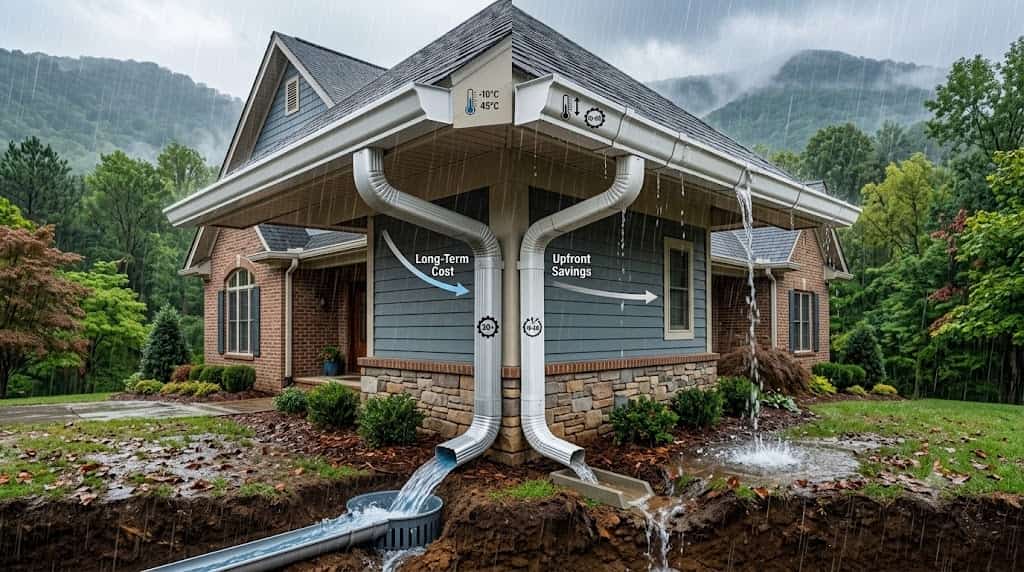
When rain falls on your roof, it runs down the slope and collects along the roof edge. Gutters catch that water and guide it toward the downspouts. From there, downspouts direct the water away from the home.
This process helps protect your foundation by controlling where roof runoff goes. Without gutters, rainwater can pour directly off the roof and land around the base of the home. During heavy rain, that amount of water can quickly overwhelm the soil and create drainage problems.
Proper rainwater management depends on three main parts:
- Clean gutters that allow water to flow
- Secure gutters with the right slope
- Downspouts that discharge water away from the foundation
When all three work together, your home has better protection during storms.
Heavy Rain Can Expose Gutter Problems
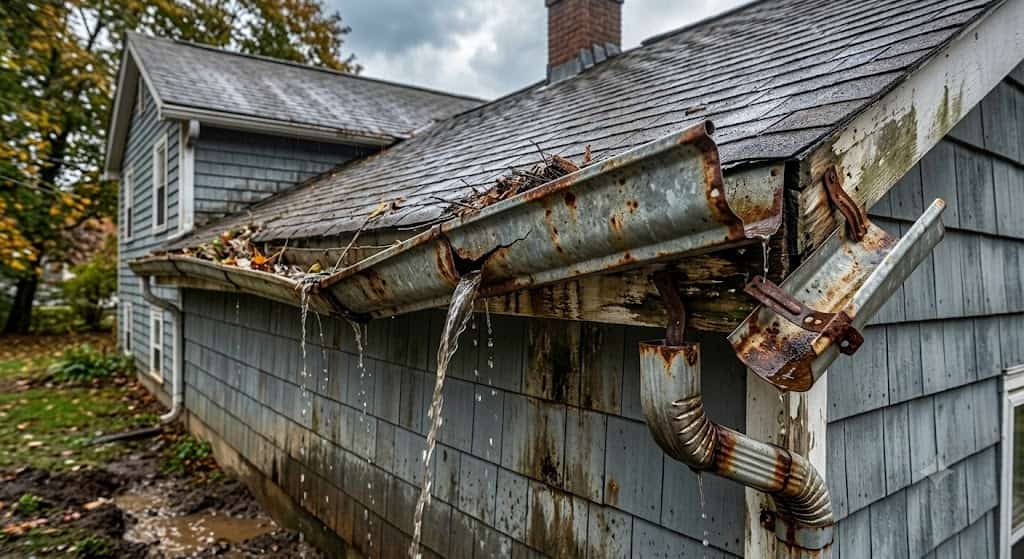
A gutter system may look fine on a dry day, but heavy rain can reveal hidden issues. If the gutters are clogged, sagging, leaking, or improperly pitched, water may overflow instead of flowing through the downspouts.
During heavy rain, watch for:
- Water spilling over the gutter edges
- Water dripping behind the gutters
- Downspouts releasing water too close to the home
- Puddles near the foundation
- Soil washing away under the roofline
- Water stains on siding or brick
- Damp areas in the basement or crawl space
These signs may mean your gutters are not protecting your foundation properly.
Clogged Gutters Can Lead to Overflow
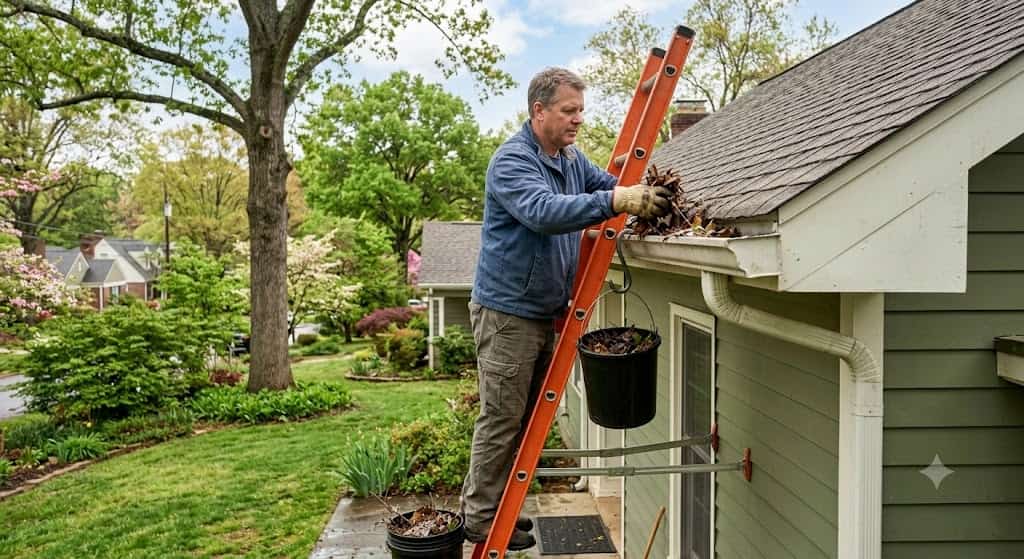
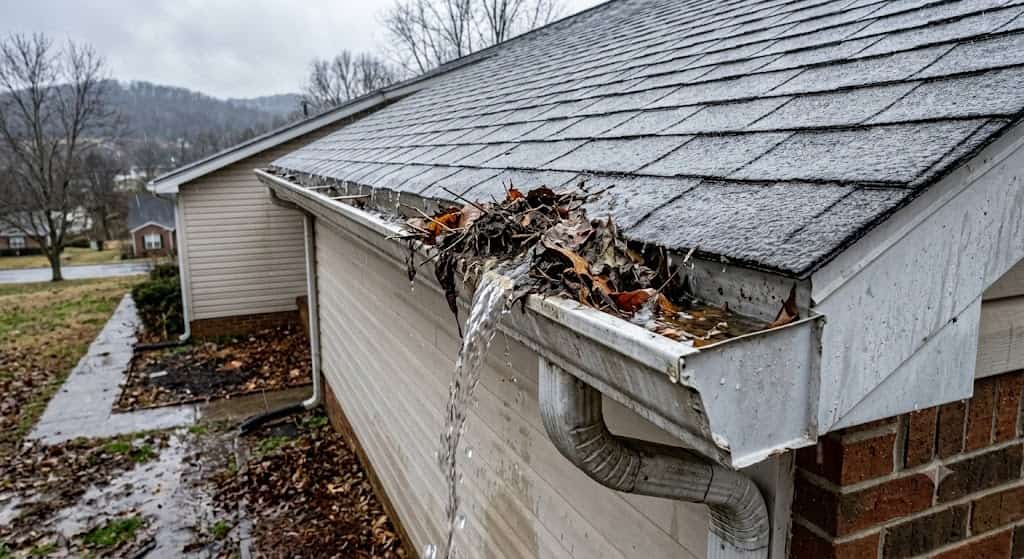
One of the most common causes of foundation-related water problems is clogged gutters. Leaves, twigs, pine needles, roof grit, and storm debris can block the flow of water.
When water cannot move through the gutter system, it may spill over the sides and fall directly beside the house. This is especially concerning during heavy rain because large amounts of water can collect around the foundation in a short period of time.
Regular gutter cleaning helps prevent clogs and supports better foundation protection.
Downspouts Are Just as Important as Gutters
Gutters collect rainwater, but downspouts carry it away. If downspouts are clogged, disconnected, damaged, or too short, water may still end up near the foundation.
Downspouts should be checked regularly to make sure they:
- Are securely attached
- Are not blocked by debris
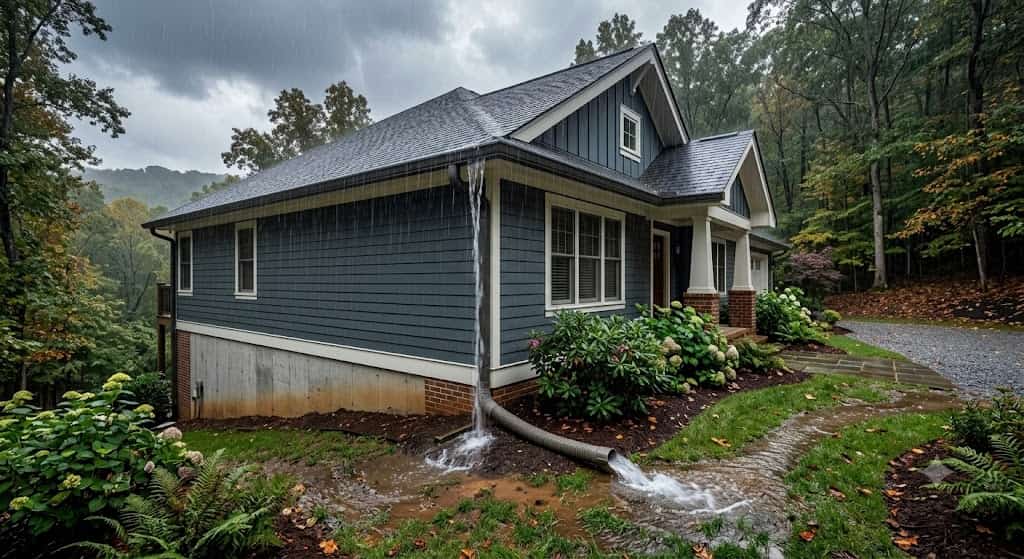
- Drain several feet away from the home
- Do not empty directly beside the foundation
- Do not release water onto walkways where pooling can occur
- Have extensions when needed
If water is coming out too close to the home, adding or adjusting downspout extensions may help improve drainage.
Proper Gutter Slope Helps Water Flow
Gutters must be installed with the correct slope to move water toward the downspouts. If the slope is too flat, water can sit in the gutters. If the slope is incorrect, water may flow in the wrong direction or overflow in certain areas.
Standing water can add weight to the gutter system, loosen fasteners, and increase the risk of sagging. It can also create ongoing moisture problems that reduce gutter performance.
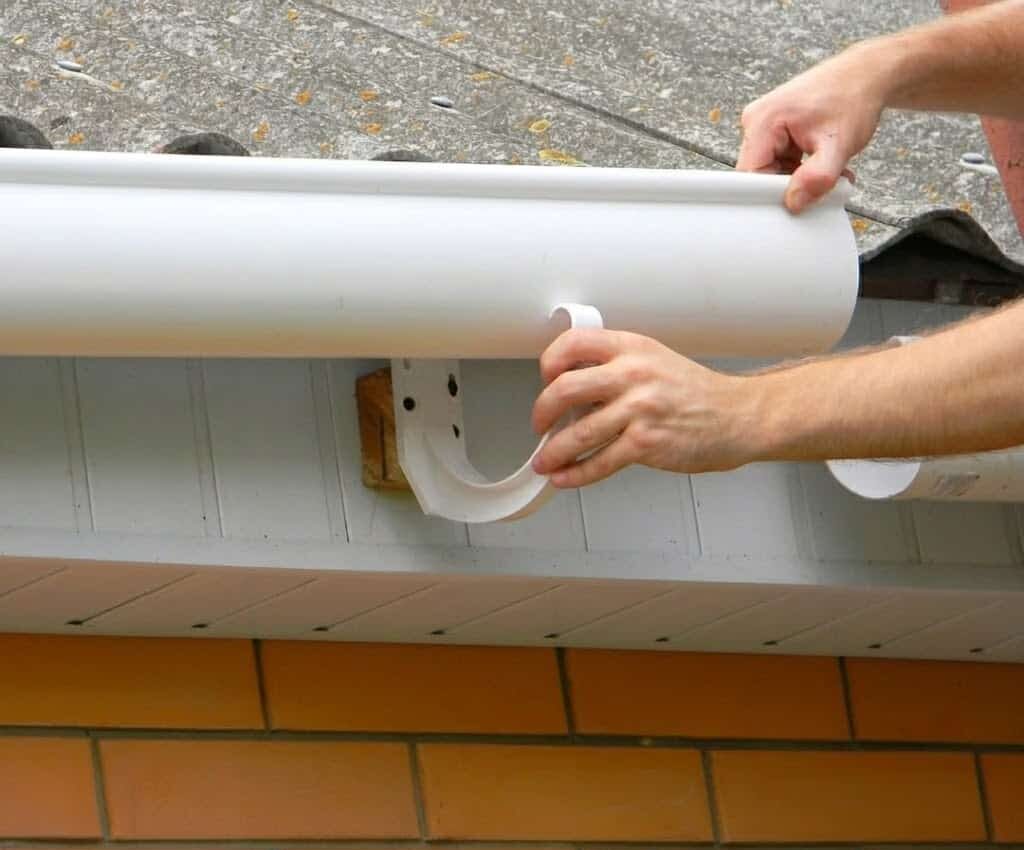
Professional installation helps ensure your gutters are properly pitched for smooth water flow and effective rainwater management.
Gutters Help Protect Basements and Crawl Spaces
Many foundation moisture issues eventually show up inside the home. When water collects around the foundation, it may seep into basements or crawl spaces.
This can lead to:
- Damp floors or walls
- Musty odors
- Mold or mildew concerns
- Damaged insulation
- Wood moisture problems
- Poor indoor air quality
- Stored items becoming wet or damaged
By moving water away from the home, gutters help reduce the amount of moisture pressing against the foundation and entering lower areas of the house.
Gutters Reduce Soil Erosion Around the Home
When rainwater falls directly from the roof, it can hit the ground with enough force to wash away soil, mulch, and landscaping. Over time, erosion can change the slope of the ground around your home and make drainage problems worse.
A properly working gutter system helps control roof runoff and reduce erosion by directing water through downspouts instead of allowing it to fall randomly around the property.
This helps protect:
- Foundation soil
- Flower beds
- Mulch
- Shrubs and plants
- Walkways
- Driveways
- Drainage areas
Preventing erosion is an important part of protecting your foundation during heavy rain.
Signs Your Gutters May Be Putting Your Foundation at Risk
Your gutters may need cleaning, repair, or replacement if you notice:
- Water pooling near the foundation
- Overflow during rain
- Gutters pulling away from the roofline
- Sagging sections
- Leaks at seams or corners
- Downspouts draining too close to the home
- Soil erosion below the gutters
- Basement or crawl space moisture
- Mold or mildew near the foundation
- Cracks forming near exterior foundation areas
These warning signs should not be ignored. The longer drainage problems continue, the greater the risk of water damage.
When Gutter Repair May Help
Not every gutter problem requires replacement. If your system is still in good condition overall, repairs may be enough to restore proper drainage.
Gutter repair may help with:
- Small leaks
- Loose fasteners
- Minor sagging
- Clogged or disconnected downspouts
- Misaligned sections
- Damaged corners or end caps
- Small cracks or holes
Repairing these issues early can help prevent water from collecting near the foundation during heavy rain.
When Gutter Replacement May Be Needed
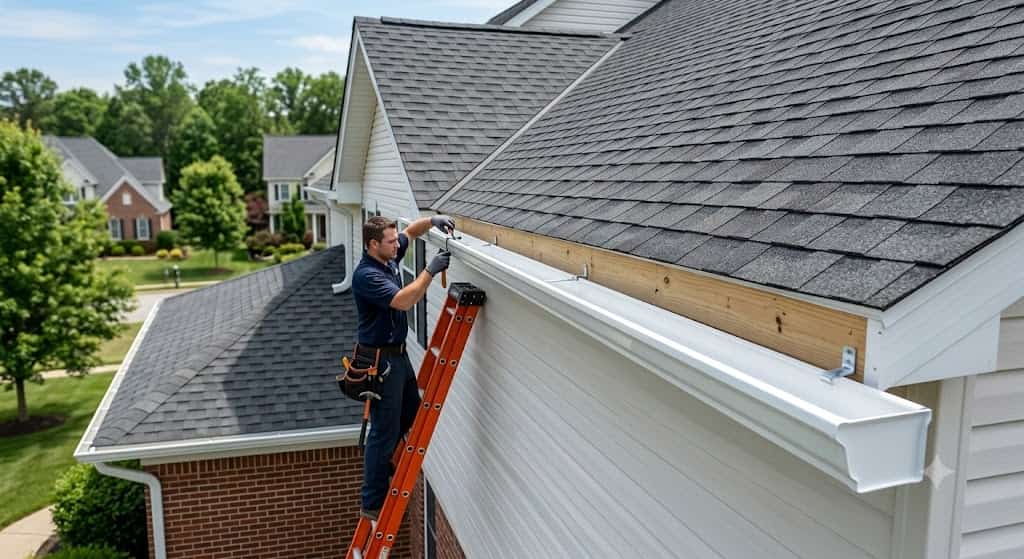
If your gutters are old, severely damaged, or repeatedly failing, replacement may be the better option. A new gutter system can provide improved water flow, better curb appeal, and stronger long-term protection.
Replacement may be needed if your gutters have:
- Multiple leaks
- Widespread sagging
- Large cracks or holes
- Rust or corrosion
- Frequent overflow
- Poor drainage design
- Sections pulling away from the home
- Repeated repair needs
For many Chattanooga homeowners, seamless gutters are a smart replacement option because they have fewer joints and are custom-fit to the home.
Gutter Guards Can Support Better Foundation Protection
Gutter guards can help reduce leaves, twigs, and debris from entering the gutter system. This helps lower the risk of clogs and overflow during heavy rain.
While gutter guards do not eliminate maintenance completely, they can make it easier to keep gutters flowing properly. For homes with nearby trees, gutter guards can be a valuable addition to a foundation protection plan.
Rainwater Management Starts at the Roofline
Foundation water damage prevention begins before water reaches the ground. Your roof collects a large amount of rainwater, and your gutters determine where that water goes next.
A strong rainwater management system includes:
- Properly installed gutters
- Clear downspouts
- Correct drainage direction
- Seasonal maintenance
- Timely gutter repair
- Gutter guards when needed
- Routine inspections after storms
When these elements work together, your home is better protected from heavy rain and foundation moisture.
Protect Your Chattanooga Home From Water Damage
Heavy rain can create serious problems if your gutters are not working properly. Water that collects near the foundation can affect the structure, basement, crawl space, landscaping, and overall condition of your home.
By keeping gutters clean, secure, and properly draining, Chattanooga homeowners can reduce the risk of foundation water damage and protect their properties through every rainy season.
Contact Dyna-Tech Gutter Solutions
Dyna-Tech Gutter Solutions provides seamless gutter installation, gutter guards, gutter repair, and gutter cleaning and maintenance services for Chattanooga, North Georgia, and the surrounding areas.
If your gutters are overflowing, leaking, sagging, or draining too close to your foundation, our team can help. Contact Dyna-Tech Gutter Solutions today to schedule gutter service and improve rainwater management around your home.