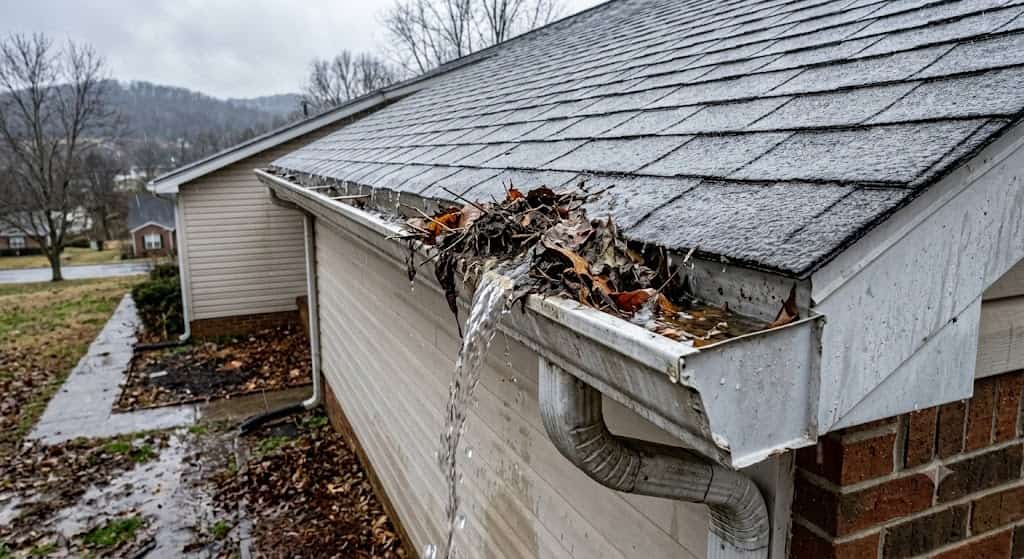
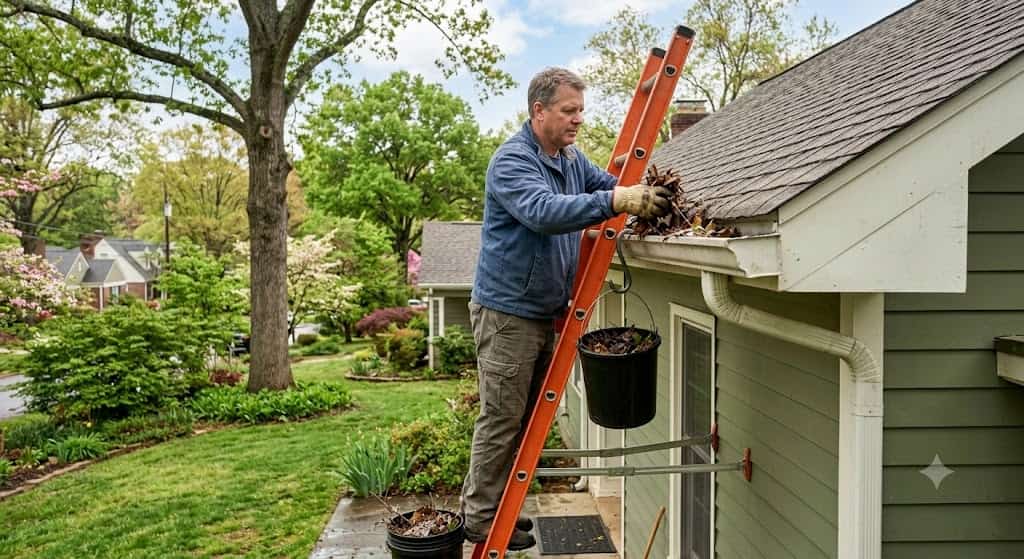
Spring is one of the most important times of year to check your gutter system. After winter rain, wind, falling debris, and seasonal buildup, your gutters may not be ready to handle heavier spring showers and storms.
For Chattanooga homeowners, spring gutter cleaning is more than a simple exterior chore. It helps protect your roofline, siding, foundation, basement, crawl space, landscaping, and walkways from water damage. When gutters are clogged, loose, leaking, or poorly draining, spring rain can quickly expose the problem.
Use this practical checklist to prepare your gutters before the rainy season gets underway.
Why Spring Gutter Cleaning Matters
Gutters are designed to collect rainwater from the roof and direct it safely away from the home. However, when leaves, twigs, shingle granules, dirt, and other debris block the system, water may overflow rather than drain properly.
Clogged or damaged gutters can lead to:
- Water is pooling near the foundation
- Basement or crawl space moisture
- Siding stains
- Roofline damage
- Rotting fascia boards
- Soil erosion
- Damaged landscaping
- Sagging gutter sections
- Mold and mildew growth
- Pest problems
Spring cleaning gives homeowners a chance to remove debris, inspect for damage, and make sure the system is ready for the next heavy rain.
Step 1: Remove Leaves, Twigs, and Debris
Start by clearing out any debris inside the gutters. Even if the gutters do not look full from the ground, buildup may be hiding near corners, downspout openings, or roof valleys.
Common debris includes:
- Leaves
- Small branches
- Pine needles
- Seed pods
- Roof grit
- Dirt and mud
- Storm debris
- Nesting materials
Debris can block water flow and add weight to the gutter system. Removing it helps water move freely and reduces the risk of overflow, sagging, and leaks.
Step 2: Flush the Gutters With Water
After removing visible debris, flush the gutters with water to check the flow. This helps reveal hidden clogs, low spots, and drainage issues.
As water moves through the system, watch for:
- Slow drainage
- Water is pooling in the gutter
- Leaks at seams or corners
- Overflowing areas
- Water is backing up near the downspouts
- Sections that do not drain at all
If water remains in the gutter after flushing, the slope may be incorrect, or the system may have a blockage or a sagging section.
Step 3: Check Every Downspout
Downspouts are essential for proper drainage. Even clean gutters cannot protect your home if the downspouts are clogged or draining too close to the foundation.
During your spring gutter cleaning, make sure each downspout:
- Is securely connected
- Drains freely
- Is not crushed or bent
- Does not leak at joints
- Directs water away from the foundation
- Has an extension if needed
- Does not release water onto walkways where pooling can occur
If little or no water comes out of the downspout during flushing, there may be a blockage inside that needs to be cleared.
Step 4: Inspect for Leaks, Cracks, and Holes
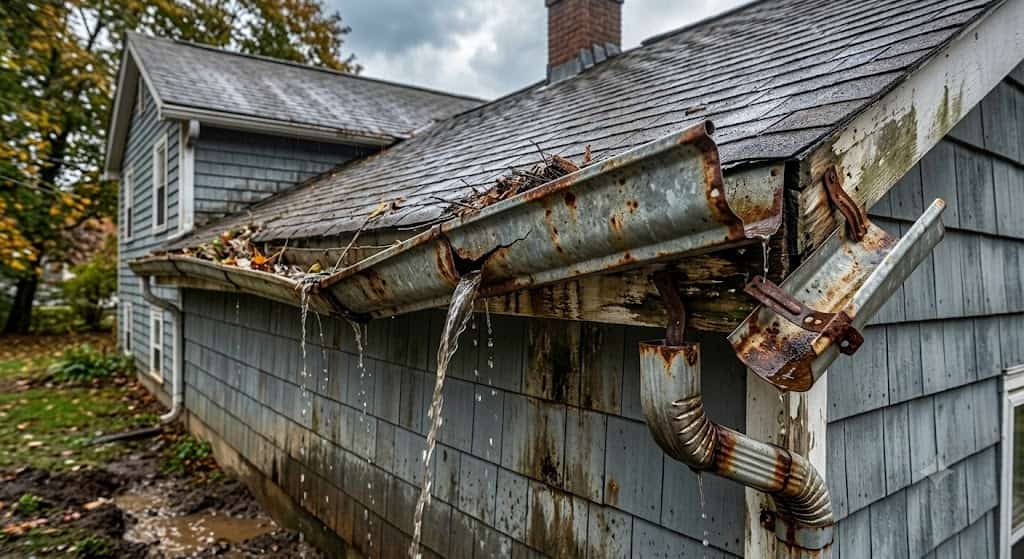
Spring is a good time to look for damage that may have developed during winter. Small leaks can become bigger problems when spring storms arrive.
Check for:
- Cracks in the gutter channel
- Holes or punctures
- Rust or corrosion
- Dripping seams
- Separated joints
- Loose end caps
- Water stains below the gutters
- Wet areas along the siding
Dyna-Tech Gutter Solutions provides gutter repair services for leaks, cracks, sagging, corrosion, and other common gutter problems. A professional repair can help restore proper water flow before the rainy season becomes more active.
Step 5: Look for Sagging or Pulling Gutters
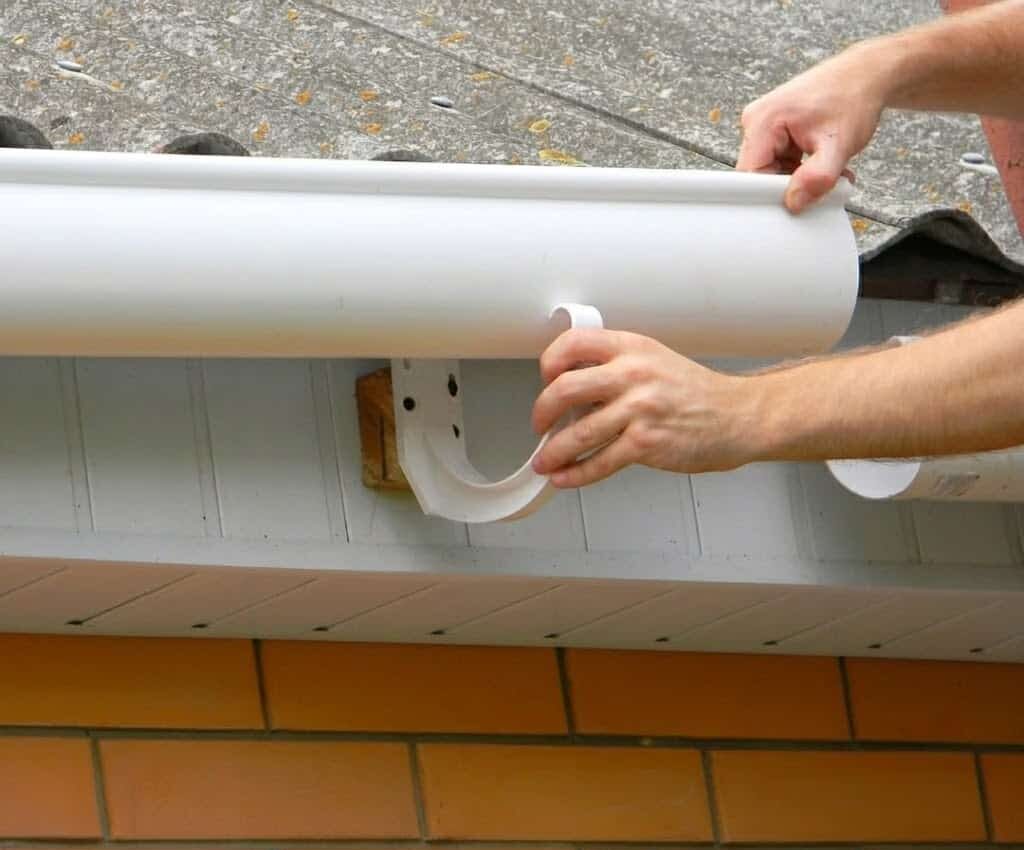
Gutters should sit securely along the roofline. If they are sagging, uneven, or pulling away from the fascia, they may not drain correctly.
Sagging gutters are often caused by:
- Heavy debris buildup
- Standing water
- Loose fasteners
- Damaged hangers
- Aging materials
- Improper slope
- Storm damage
If your gutters are pulling away from the home, they should be repaired as soon as possible. Loose gutters can worsen during heavy spring rain and may eventually detach from the roofline.
Step 6: Make Sure Water Drains Away From the Foundation
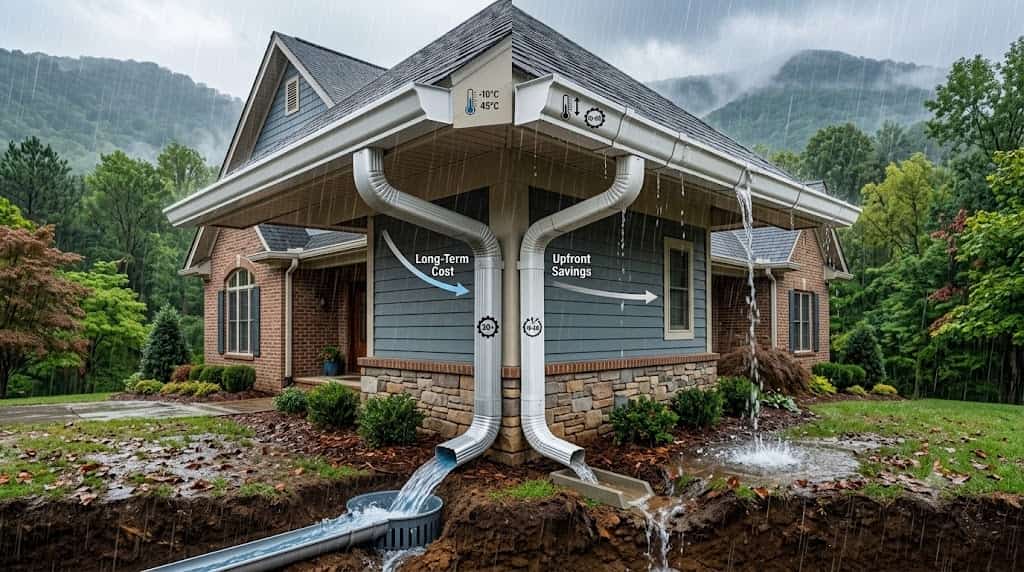
One of the most important parts of spring gutter maintenance is checking where the water goes after it leaves the downspouts. Gutters should not simply move water off the roof. They should move it safely away from the home.
Look for signs of poor drainage, such as:
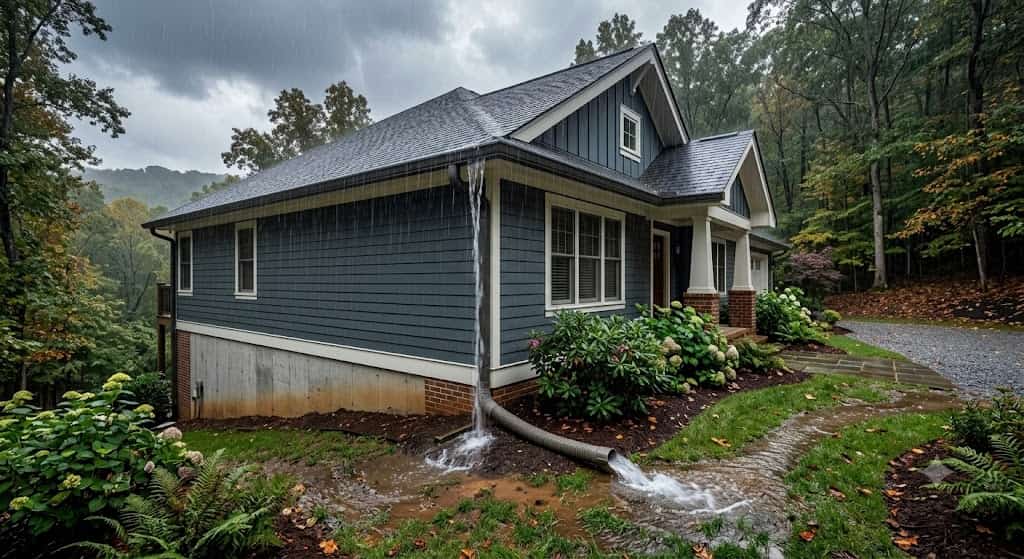
- Puddles near the foundation
- Washed-out mulch
- Muddy areas beside the home
- Soil erosion
- Water stains on foundation walls
- Damp basement or crawl space areas
Downspout extensions may be needed if water is draining too close to the home. Proper rainwater management helps reduce the risk of foundation moisture and basement problems.
Step 7: Check the Fascia and Roofline
Clogged or overflowing gutters can damage the areas around the roof edge. As part of your spring inspection, look closely at the fascia boards, soffits, trim, and roofline.
Warning signs may include:
- Peeling paint
- Soft or rotting wood
- Dark stains under the gutters
- Mildew or algae growth
- Gutters pulling away from the fascia
- Water marks near the roof edge
These signs may mean water has been overflowing or leaking for some time. Fixing the gutter problem early can help prevent additional exterior damage.
Step 8: Inspect After the First Heavy Spring Rain
A gutter system may look fine when the weather is dry, but rain often reveals hidden issues. After the first strong spring shower, walk around your home and observe how the gutters are performing.
Watch for:
- Water spilling over the sides
- Leaks at seams or corners
- Water dripping behind the gutters
- Downspouts draining slowly
- Pooling water near the foundation
- Soil erosion below the roofline
- Sagging sections under the weight of water
If you notice any of these signs, your gutters may need professional cleaning, repair, or replacement.
Step 9: Consider Gutter Guards for Added Protection
If your gutters clog frequently, gutter guards may be a helpful upgrade. Gutter guards are designed to reduce debris buildup, improve water flow, and extend the lifespan of your gutters. Dyna-Tech Gutter Solutions offers durable gutter guard systems, including stainless steel mesh and aluminum options, tailored to each home’s needs.
Gutter guards can be especially helpful for Chattanooga homes with:
- Mature trees nearby
- Frequent leaf buildup
- Pine needles or small debris
- Recurring clogs
- Hard-to-reach gutters
- Past overflow problems
Gutter guards do not eliminate all maintenance, but they can make seasonal cleaning easier and reduce the risk of repeated clogs.
Step 10: Know When to Call a Professional
Some gutter cleaning and inspection tasks can be handled by homeowners, but not every situation is safe or simple. If your home has high gutters, steep rooflines, heavy clogs, or visible damage, professional service is the better option.
Call a professional if:
- Your gutters are difficult to access
- Water still overflows after cleaning
- Downspouts are blocked
- Gutters are sagging or detached
- You see multiple leaks
- Water is pooling near the foundation
- Your gutters may need repair or replacement
- You want to install gutter guards
Dyna-Tech Gutter Solutions specializes in seamless gutter installation, premium gutter guards, gutter repair, and gutter cleaning and maintenance for Chattanooga, North Georgia, and surrounding areas.
Spring Gutter Cleaning Checklist
Use this quick checklist to prepare your gutter system for spring rain:
- Remove leaves, twigs, and debris
- Clean around downspout openings
- Flush gutters with water
- Check each downspout for clogs
- Make sure water drains away from the foundation
- Look for cracks, holes, rust, and leaks
- Inspect seams, corners, and end caps
- Check for sagging or loose sections
- Look for fascia and roofline damage
- Watch gutter performance during rain
- Schedule repairs before storm season gets worse
- Consider gutter guards if clogs keep returning
A little preparation before spring storms can help prevent water damage and better protect your home.
Protect Your Chattanooga Home Before Spring Storms
Spring gutter cleaning is one of the simplest ways to protect your home from water damage. Clean, well-maintained gutters help move rainwater away from the roofline, siding, foundation, basement, crawl space, landscaping, and walkways.
For Chattanooga homeowners, preparing gutters before spring rain can help reduce clogs, prevent overflow, and catch issues before they become more expensive.
Contact Dyna-Tech Gutter Solutions
Dyna-Tech Gutter Solutions provides professional gutter cleaning, gutter repair, seamless gutter installation, and gutter guard services for Chattanooga homeowners. Whether your gutters need seasonal maintenance, repair, or an upgrade, the team can help keep your system working properly.
Contact Dyna-Tech Gutter Solutions today to schedule spring gutter cleaning and prepare your home for the rainy season.